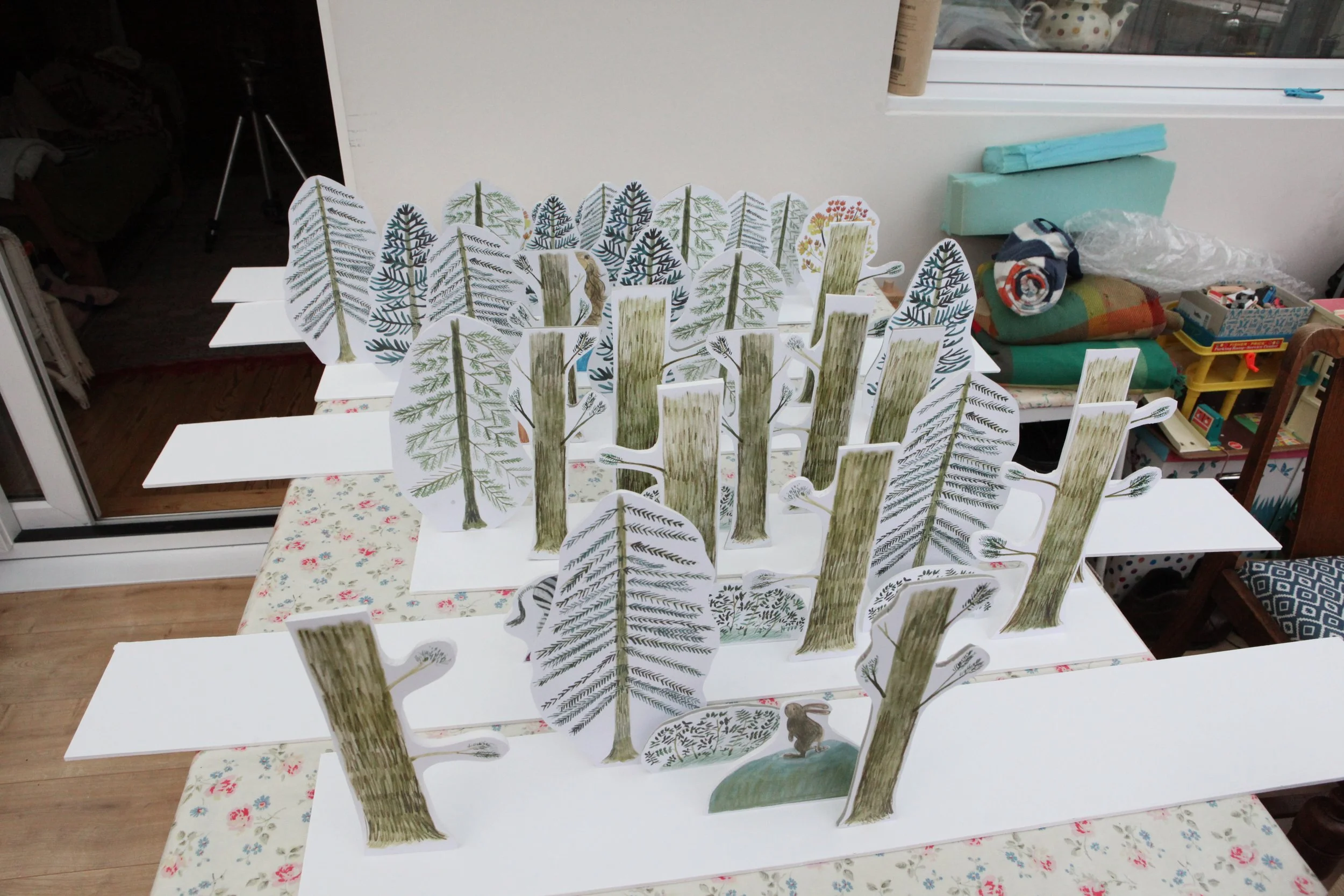
The Optomap training videos can offer significant psychological and practical benefits by reducing stress and anxiety which may lead to improved, clearer results.
During a busy week the photography team will see a number of paediatric patients that require Optomap imaging of the retina. This is an important test which can assist the clinicians in diagnosing and planning treatment. Some of the younger patients found using the camera for the first time difficult, especially after being examined in other departments. I wanted to explore whether viewing a video created for this demographic on a model of the camera would improve the quality of the results by reducing the stress and anxiety often felt by the patients . I liaised with Optomap and received a decommissioned camera which I took apart so a mobile phone could be positioned inside the device. The phone was at the correct height so when the patient positioned themselves against the camera the screen would be visible. A short animated film was produced where the main story revolves around a group of animals looking for a missing star. The green star represents the green fixation light which the patient would be asked to look for in the camera.
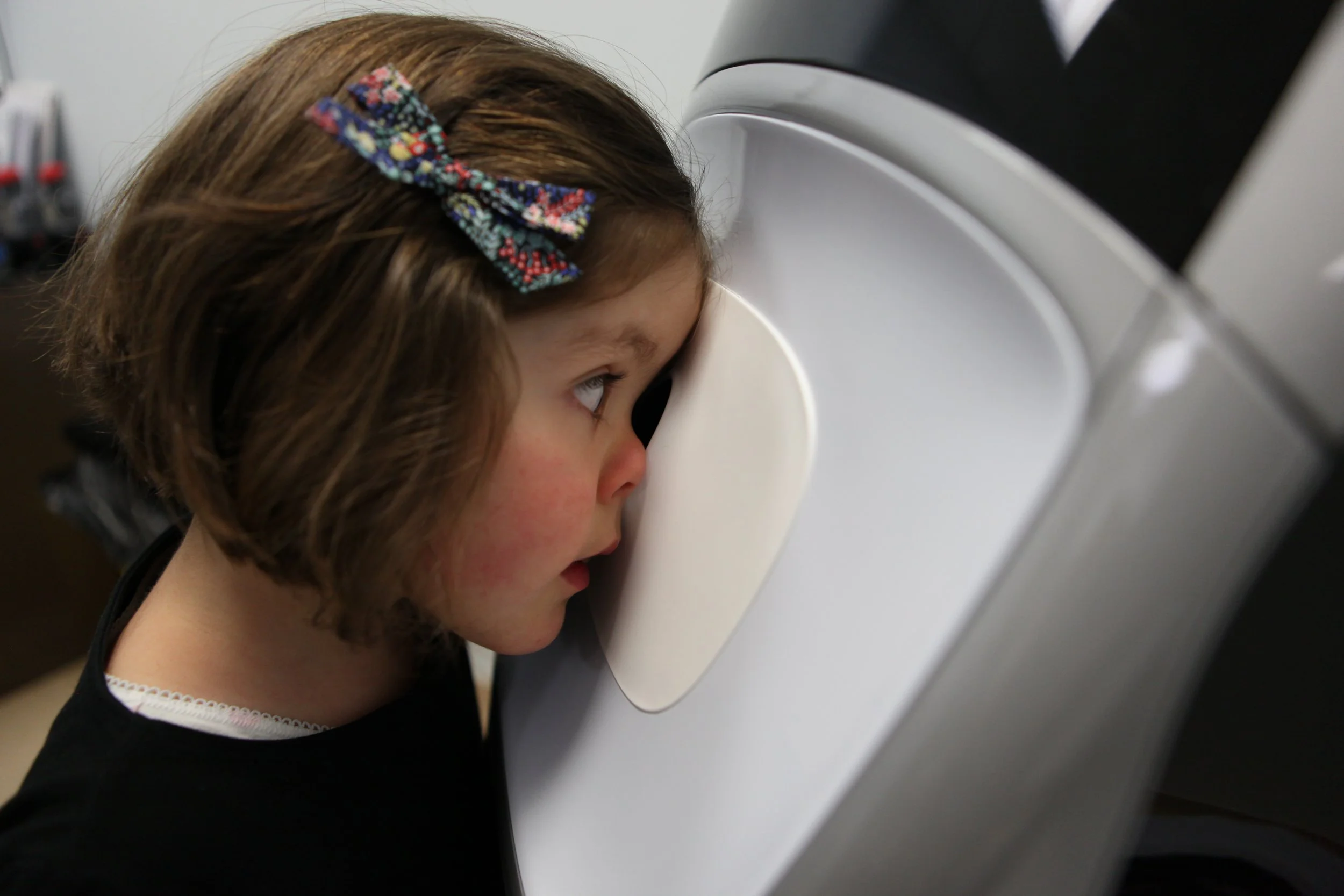
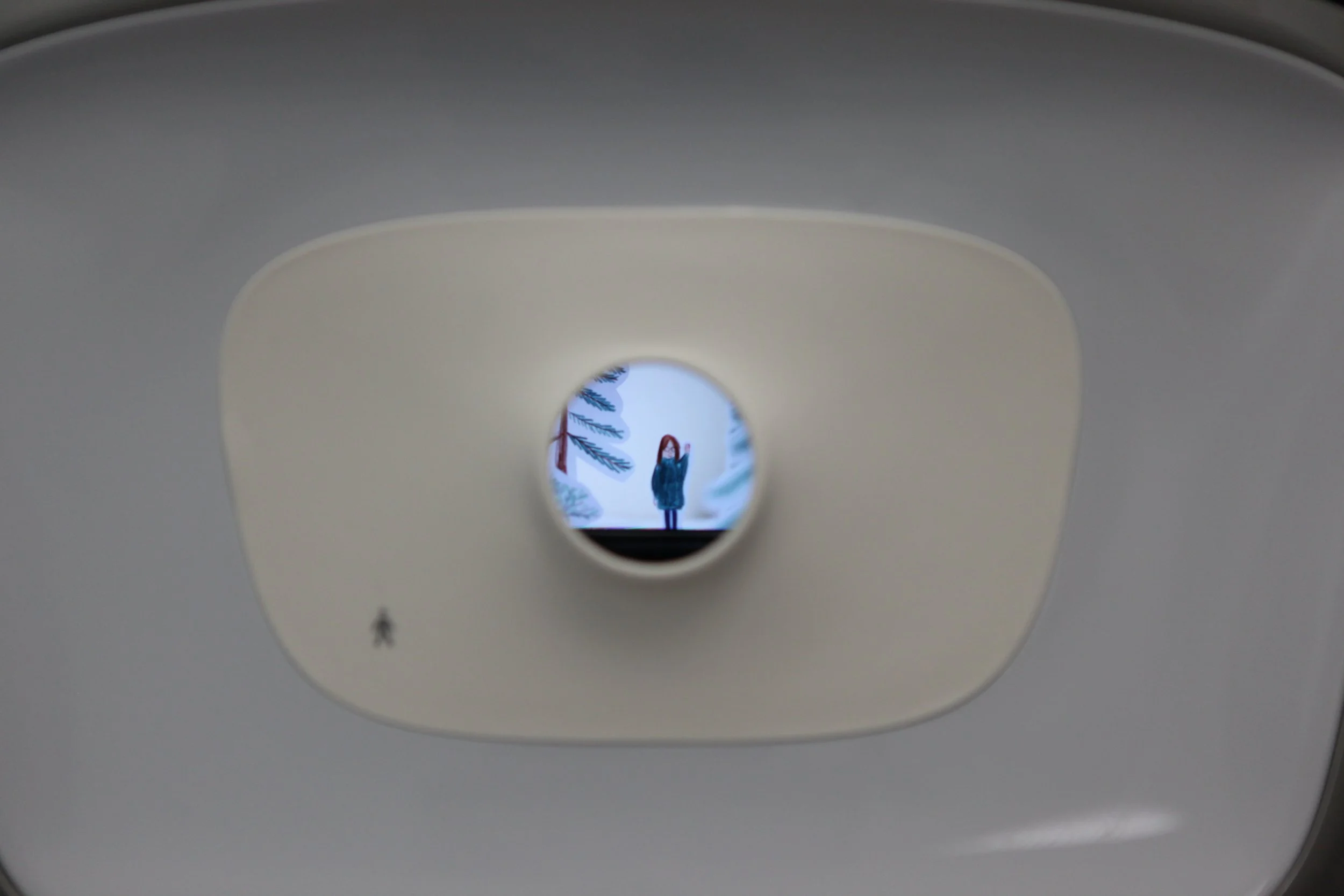
The consultant would usually examine the patient first and if they felt they would struggle with using the Optomap camera in imaging (we discovered the film was most effective with patients who had not had imaging previously) they would view the short film on the phone using the model camera. It was hoped that by introducing the technique of positioning against the camera and looking for the green star would reduce any stress or anxiety the patient may have when performing the test for real.
A small study was set up which two groups of patient selected. Those who had imaging previously and those who were going to use the camera for the first time. A questionnaire was created to evaluate the quality of the images to determine whether viewing the video had any impact on whether the results were clearer and easier to obtain. We saw our first patients in February 2020 and initially it looked like practicing on the model camera and viewing the films helped get clearer images on a selection of patients then COVID happened and the study stopped.
I continued to work on the concept through lockdown and since patients were unable to view the training films on the camera in clinic I came up with the idea of the Cardboard Optomap.
Using items that the patients might have at home I devised a way of building a model of the camera in the spirit of Blue Peter and ‘Here’s one I made earlier’. A website was created which showed what items you will need as well as a step by step instruction of how to make one.
A new film, or sequel to the lost star, was created which trained the patient to follow the green fixation light as obtaining images of the peripheral retain can be clinically useful. The technique of eye steering involves the patient following an internal green fixation light in the up, down left and right positions. I also included a section in the film on optimised head positioning against the eye piece. This explains how the light changes from red to blue depending on whether the eye is positioned to close or too far away in a fun, engaging way. This film was also intended to be viewed on a phone positioned inside a cardboard Optomap created to mimic how the patient interacts with the device.
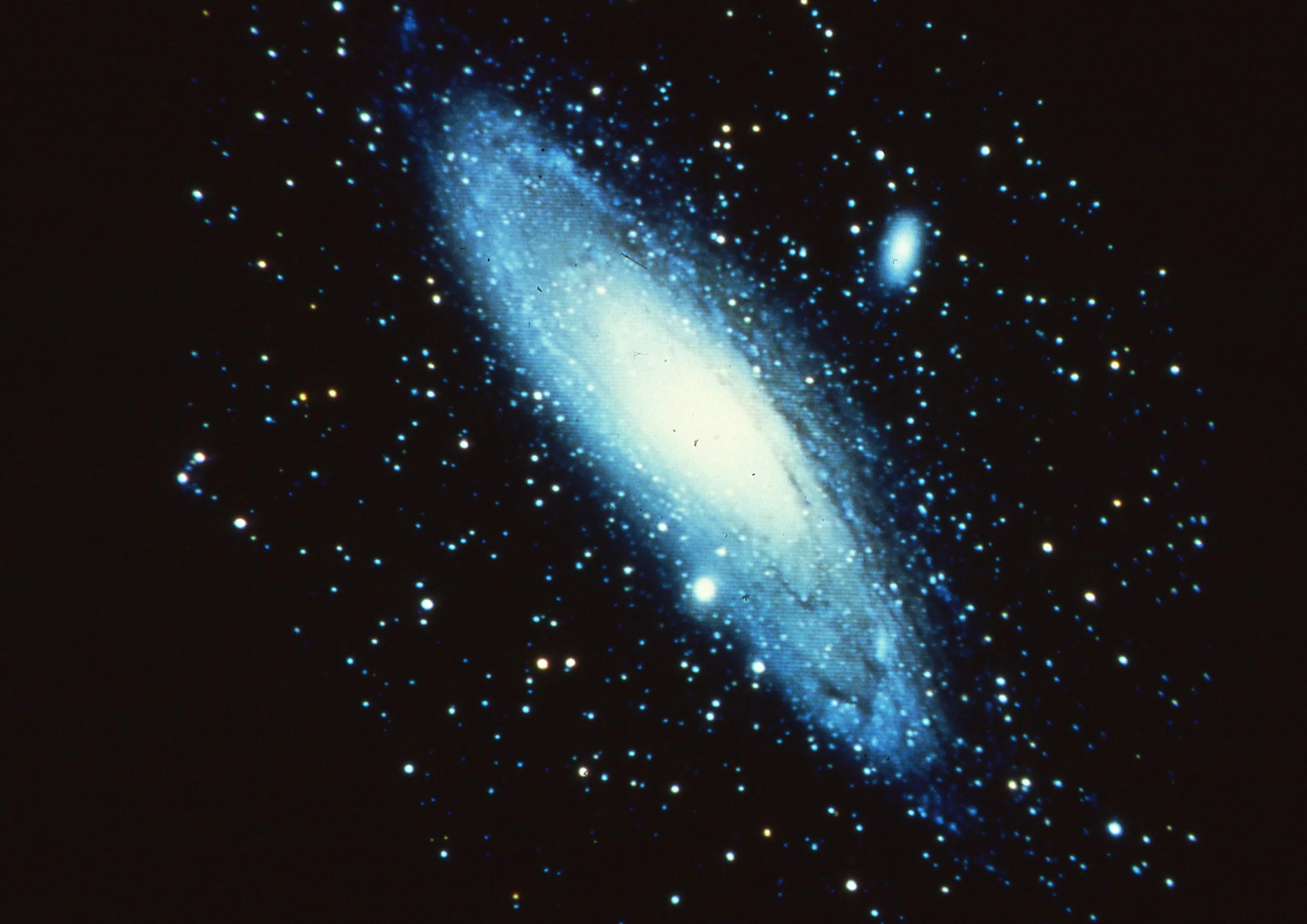
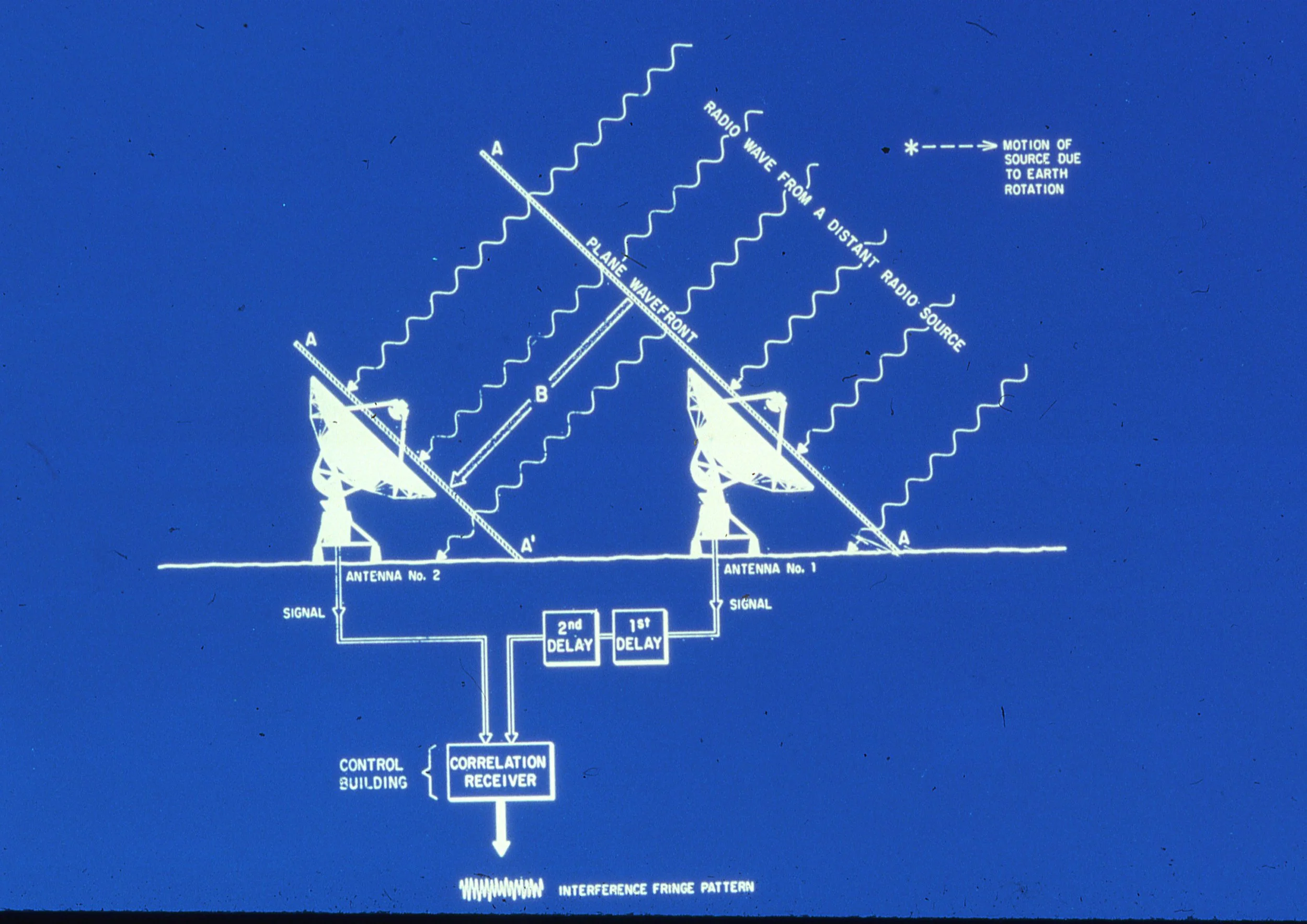
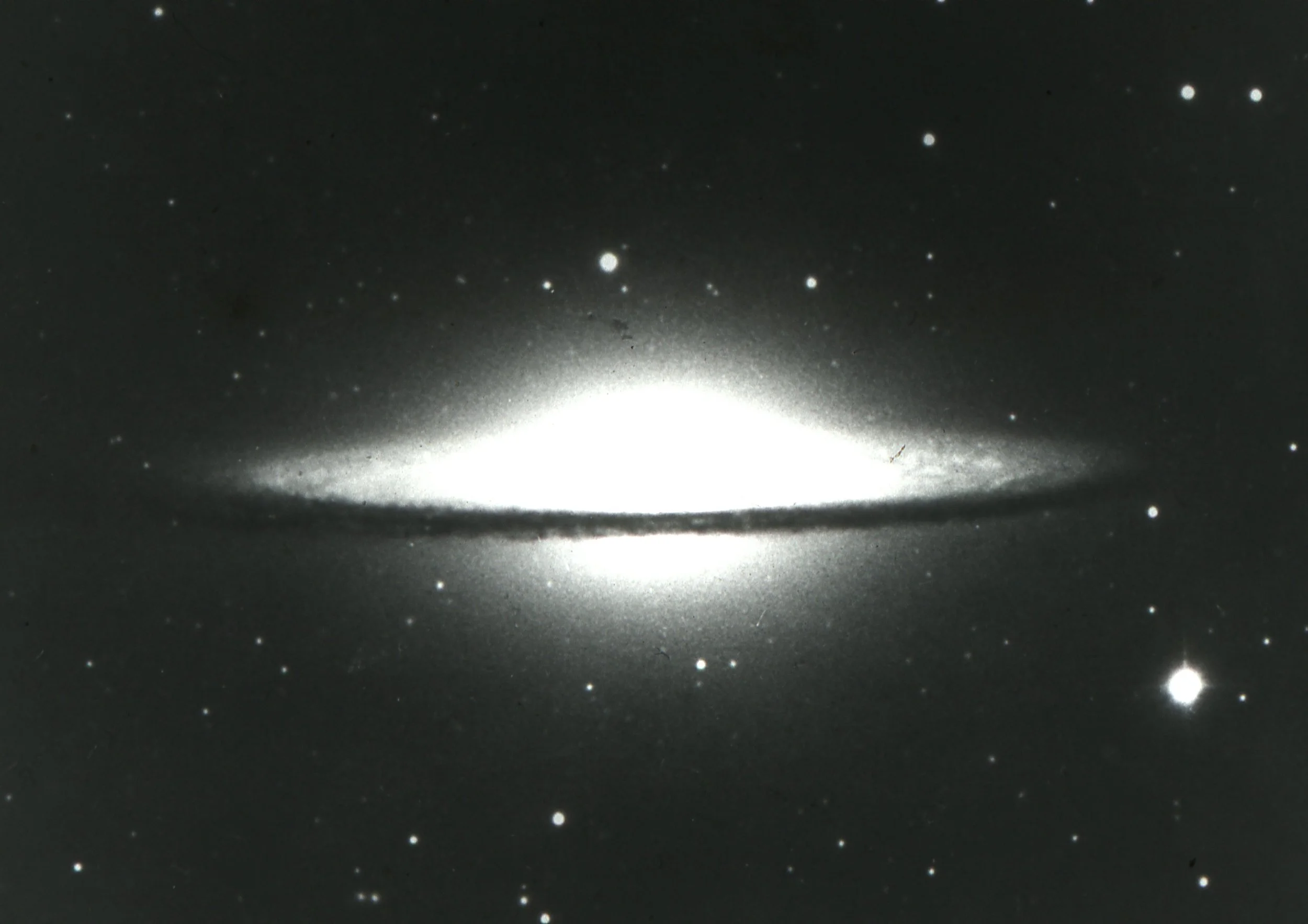
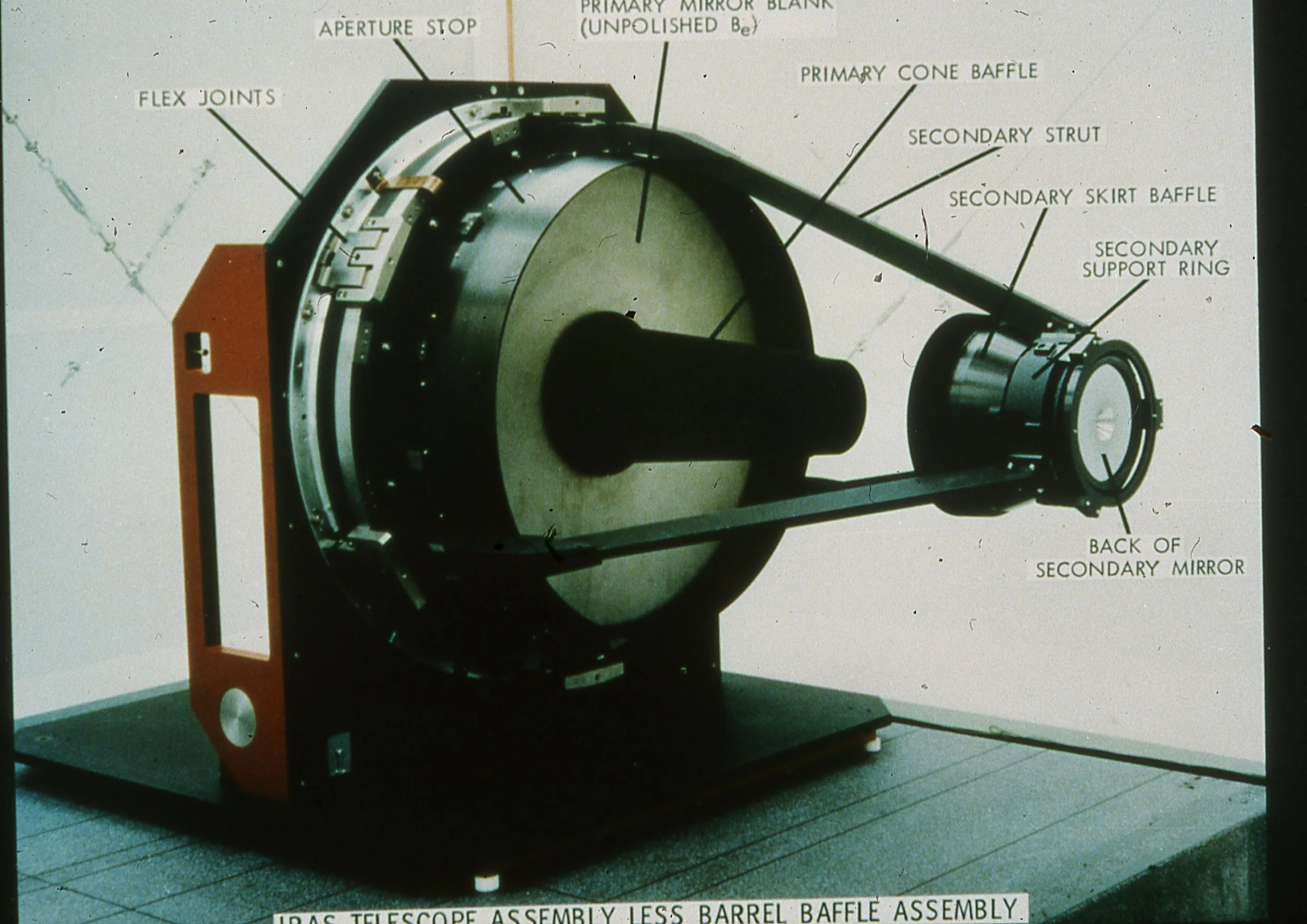
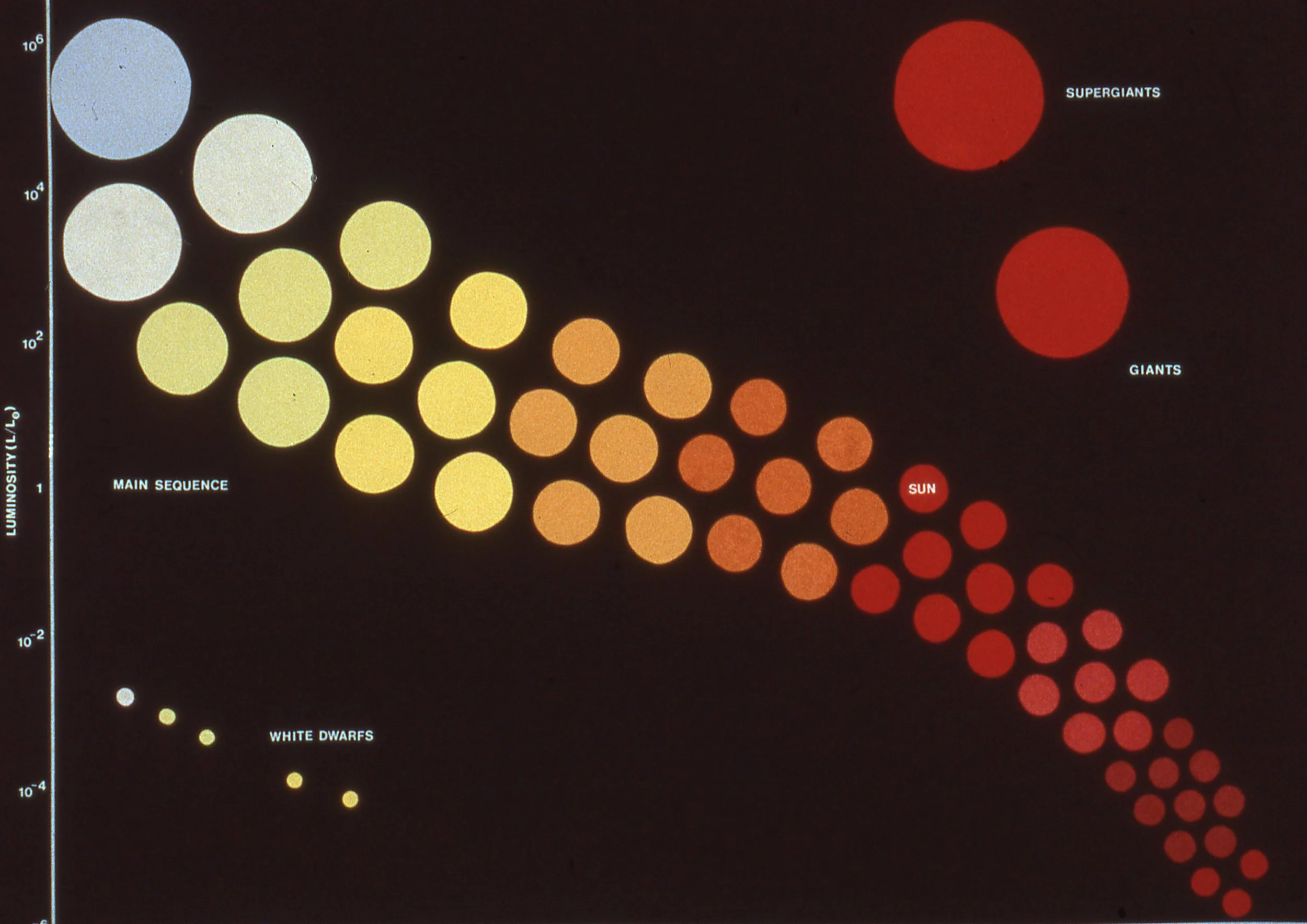
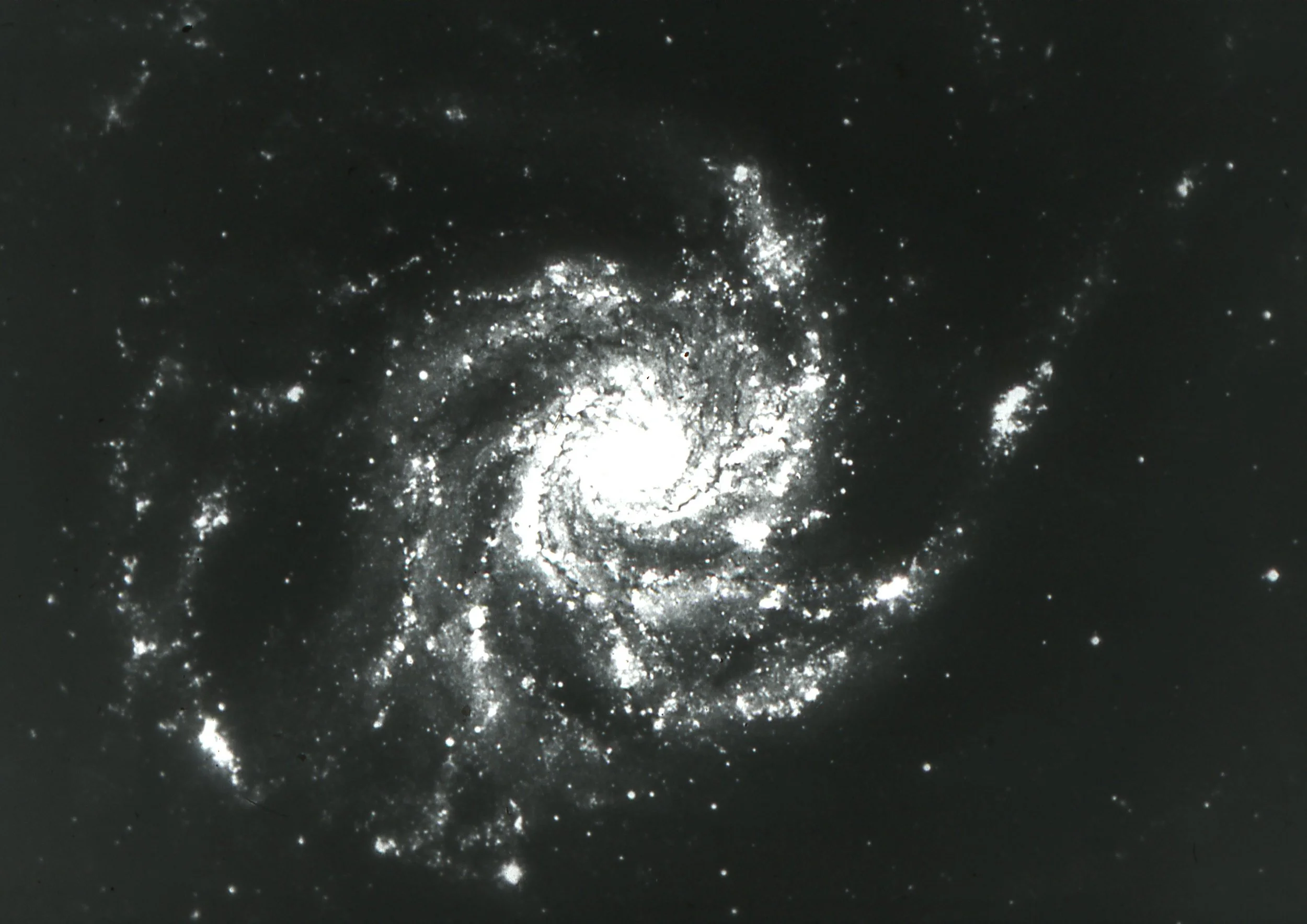
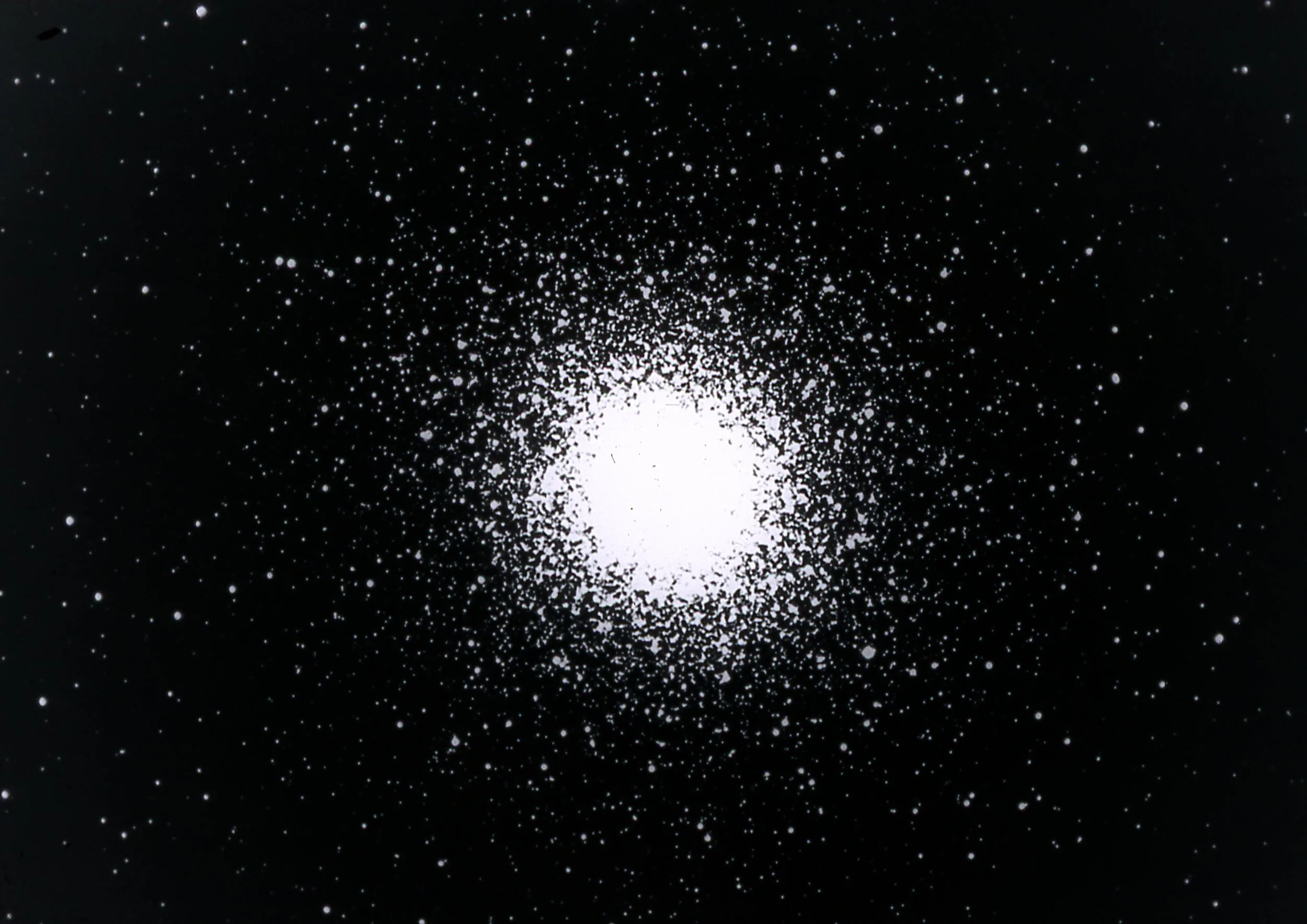
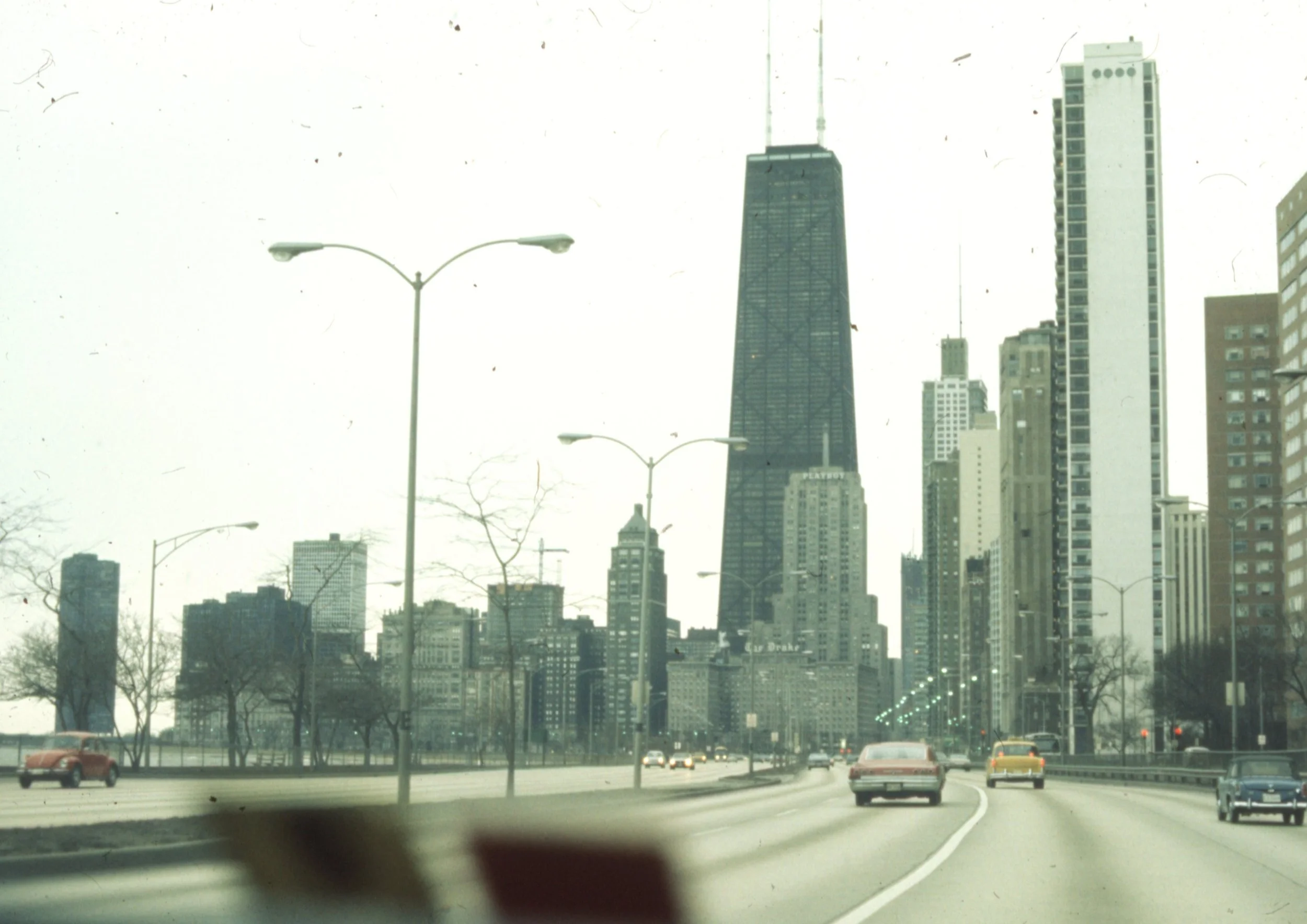
A few years ago I was offered a box of slides from the Oxford University Astrophysics department. As well as images of stars and nebulas there were some interesting photographs from what looks like a department trip to Chicago. I used some of the scanned images (not the department field trip photographs) in the film but couldn't resist using on one on my homepage.